
How to support someone who has lost a loved one at the front. Tips from a psychologist
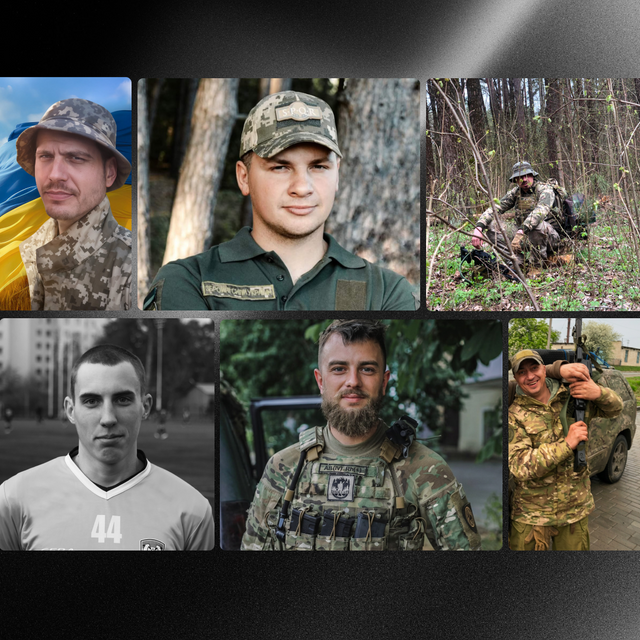
Losing a loved one in war is a trauma where grief, loss of meaning in life, anger, pride (for the fallen Hero or Heroine), and unbearable feelings of injustice intertwine. Being there and finding the words is difficult. However, it is possible. Your presence and support can become a lifeline.
Together with the psychological support service KRISENCHAT UKRAINE and the memorial platform “Heroes Memorial,” we have prepared professional advice on how to support a person who has lost a loved one at the front.
HOW LOSS IS EXPERIENCED
The inner world of loss is complex. A person can experience numbness, guilt, emotional swings — a multitude of feelings simultaneously.
Numbness is a “frozen” state where it is hard to focus even on basic things like food or sleep. Reality becomes very narrow, and it feels like your life has stopped.
Guilt attacks with thoughts that he/she could have been saved or at least something different could have been said in the last conversation. The feeling of guilt can overwhelm even for continuing to live.
Emotional swings are jumps from anger to sadness, from bright gratitude to helplessness. It is important not to shame for this, not to impose “correct” grieving.
WHAT IS SUPPORT
In a state of loss, a person needs a safe space where they can grieve in any way, and human contact to hold onto when all internal supports are destroyed. That is, support is presence, acceptance, and attention.
The best support is where there is the ability to endure a person's pain, the tsunami of their feelings, and still remain close. Not giving advice, not judging, not comparing — just being. Sometimes support is going to the store, and sometimes it’s listening.
Support is far from always about words. However, there are phrases we advise avoiding to prevent causing pain (even if they are said with good intentions).

PHRASES THAT HURT
“It’s time to move on,” “You need to be strong,” “Don’t be sad,”
“It will get easier with time,”“Look at the situation from another angle,”
“My acquaintance had the same thing,”“You are still young,”
“Now he/she is in heaven,”“Everything will be fine,” etc.
Such words devalue pain and create distance. A person who is grieving does not need advice or promises. They need a safe contact with someone who is not afraid of their feelings and does not judge them.
WORDS THAT HEAL
“I’m here. If you want to talk or just be — I’m here.”
“I sympathize with your loss.”
“Your [син/чоловік/дружина] is a true Hero. He is remembered and valued.”
“If you want, tell me about him/her. I want to know more about the one you love.”
These phrases acknowledge the pain and focus on the grieving person. They show that you understand the loss, respect the memory, and give the person the right to choose how and when they need support. If you don’t know what to say — ask:
“How are you right now?”,
“Are there any things, events, or people that give you even a drop of strength?”,
“Are you managing to rest a little?”, “What did you eat today?”
It’s great when questions are specific and bring someone back to reality. They allow the person to talk about their physical state (sleep, food) or small victories (a drop of strength) — this helps to “ground” in the present and feel that someone cares about your basic needs, rather than forcing you to immediately share traumatic thoughts.

THE POWER OF SMALL ACTS
Caring initiative is very important. In a state of acute grief, a person often lacks the strength to formulate requests or make decisions. Specific offers relieve them of the burden of choice and focus on practical needs. This is pure, unconditional help that gives a sense that the world hasn’t completely fallen apart.
“Can I swing by and bring you lunch? I’ll be nearby and leave it at your door.”
“I can pick up your kids from school/kindergarten tomorrow.”
“I can just listen, without advice or judgment, whenever it’s convenient for you.”
“Do you want to go for a little walk?”
BEING SINCERE IS EFFECTIVE
It’s important to understand: you can only give the support you are capable of at this moment in your life. That’s okay. If you feel lost — don’t be afraid to be sincere:
“I see that you are struggling. I want to support you, but I don’t know how, because I’m afraid of hurting you. Tell me, do you want my presence or a conversation right now?”
Such sincere steps towards someone are much better than avoidance. Even your smallest support matters.

To summarize, a grieving person needs a safe space and live contact. Be present, ask, listen. You can also offer a conversation with a psychotherapist — a safe place for emotions and thoughts.
Free psychological support is available 24/7 at CRISIS CHAT UKRAINE in chat format.

0 comments
There are no comments yet.