
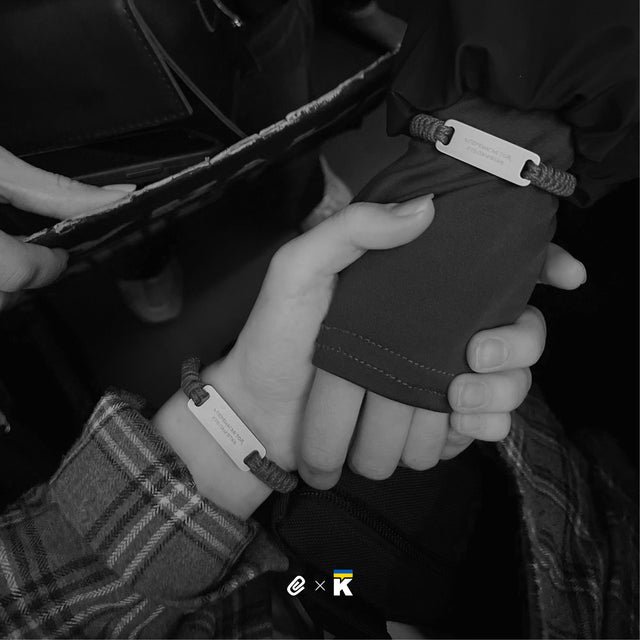
How to Talk to Those Whose Loved Ones Are on the Frontline. Advice from a Psychologist
Almost every one of us has someone on the front line: friends, relatives, colleagues, or acquaintances. This experience has become collective, yet we still live through it differently. The vulnerability of another person can sometimes paralyze, and providing your support can be not so simple. The main thing to remember: people waiting for their loved ones from the front live in constant stress. They do not need sympathy or pity. They need human warmth, attention, and respect for what they are going through.
How to be there and not harm — we explore together with the psychological support service KRISENCHAT UKRAINE.

JUST LISTEN
Perhaps the most important thing you can give — it is presence and acceptance. And, yes, giving them time is sometimes not easy, as it requires your own resources. But if you can listen attentively and endure the pain of the person next to you — you provide a sense of “emotional shelter” and immense relief that we can feel when we are accepted along with our pain.
Don’t be afraid to listen. And when a person shares — don’t change the subject, don’t judge their feelings, don’t compare with others, don’t try to diminish their pain.
What can be said: “If you want to share — I’m here for you”.
ASK ABOUT THE STATE AT A SPECIFIC MOMENT
This reduces tension and focuses attention on the person themselves, not just their pain. Talk about the details of this day or week. Be the one who brings back small life supports.
What can be asked: “How are you today?”, “What did you do this weekend?”, “What are your plans for tomorrow?”.
CREATE A SENSE OF “WE”
Your words and actions can reduce the pressure of circumstances. You can pause together for a moment of silence — and that will already give the other person a sense of wholeness. Because we do this together. You can invite them somewhere or just ask how they are doing.
What can be said: “I’m here”, “You are not alone”, “I’m with you”, “Shall we go for coffee?”, “I just wanted to say that you are important to me”.
SHOW SIMPLE CARE
If the person is familiar and close — you can buy flowers or fruits, offer help with children, ease daily life. Even small actions change everything.
If a stranger shares their pain — show the simplest care that is appropriate and available to you in the specific situation.
What can be said: «“If you need something — just say it”, “Is there something I can help with?”.
It’s even better to specify: “Do you want me to bring groceries?”.

DO NOT SPEAK IN GENERAL PHRASES
The classic “everything will be fine” is empty words that sound like a refusal to see reality and irritate rather than support. An automatic “I understand” is very inappropriate if you are not in the same life situation.
What to say instead: “I can’t even imagine what this is like for you. But if you want to talk — I’m here.”
DO NOT DEVALUE THE CHOICE OF THOSE WHO WENT TO THE FRONT
Phrases like “well, he chose this himself,” “why did she go there,” “how could he leave you here alone” are extremely inappropriate. Respect for another person’s choice is the foundation for vulnerable communication and the key to support.
What to say instead: “Thank you for your partner protecting us.”
DO NOT DEVALUE THE FEELINGS AND FEARS OF THOSE WHO ARE WAITING
“Others have it even harder,” “it’s still okay,” “don’t overthink it,” “I’m having a hard time too, but I’m not killing myself over it” — all of this devalues feelings. Often we say such things not out of concern for the person opposite, but to protect ourselves from someone else's pain. It’s better to be aware of this and refrain from such comments. It’s absolutely normal not to be able to forget that your loved one is risking their life every moment. It’s normal to feel fear about this and pain over the lost time that should have been a peaceful life together.
The other extremes of devaluation are hyperbole and pity. It’s not appropriate to act as if someone has died or will definitely die. Fear should be acknowledged and accepted: not forbidden, but also not imposed.
What to say instead: “That really hurts. I’m sorry that you have to go through this.”
DO NOT GIVE ADVICE WITHOUT ASKING
You may strive for the best when you say “do something” or “you should walk more,” but it is perceived as pressure and rejection (the interlocutor hears: “Do something about yourself already”). If you really want to suggest a solution — do it gently through the person’s experience, not as a directive.
What to say instead: “How do you feel when you go for a walk?”, “What helps you to distract yourself?”.



0 comments
There are no comments yet.